
If you are exploring alternative treatments for treatment-resistant depression or you have likely asked one vital question (If you are exploring ketamine therapy for treatment-resistant depression, anxiety or PTSD, you have probably asked one important question: is ketamine therapy safe?) As awareness of this treatment grows across clinical settings, so does the need for clear, evidence-based information regarding its risks and benefits. Navigating the world of mental health treatments can feel overwhelming, especially when considering a medication that has historically been misunderstood. This guide is designed to provide you with a comprehensive look at the clinical safety profile of ketamine, the side effects you might experience during an infusion, and the rigorous screening process utilized to ensure every patient’s wellbeing.
When asking if ketamine therapy is safe, it is important to distinguish between recreational misuse and supervised clinical administration. In a controlled medical environment, ketamine is administered at sub-anesthetic doses—meaning the dosage is significantly lower than what is used in surgical settings. Medical professionals monitor vital signs such as heart rate, oxygen levels, and blood pressure throughout the entire session. This supervision is the cornerstone of safety, ensuring that any physiological changes are managed in real-time by trained staff.
Safety also hinges on the method of delivery and the purity of the medication. Clinical ketamine therapy involves pharmaceutical-grade medication administered via intravenous (IV) infusion or intramuscular (IM) injection, allowing for precise titration. This precision ensures the patient receives exactly what they need to achieve a therapeutic effect without overtaxing the body’s systems. By adhering to established protocols and conducting thorough pre-treatment screenings, providers can mitigate risks and create a secure environment for healing.
Ketamine has been used in medical settings for over fifty years, originally gaining FDA approval in 1970 as a general anesthetic. Its safety profile is so well-established in emergency medicine and pediatrics that it is often referred to as an “essential medicine” by the World Health Organization. Because it does not suppress the respiratory system or lower blood pressure in the same way other sedatives do, it became a staple in trauma centers and surgical suites globally. The transition of ketamine into the realm of psychiatry and management began when researchers noted its rapid-acting antidepressant effects during low-dose administration.
Over the last two decades, numerous clinical studies have investigated the efficacy and safety of low-dose ketamine for mood disorders. Unlike traditional antidepressants, which can take weeks or months to reach therapeutic levels, ketamine works on the glutamate system to promote neuroplasticity relatively quickly (ketamine is believed to enhance glutamate signaling and promote synaptic plasticity, mechanisms that may contribute to its rapid antidepressant effects.). This shift in focus from anesthesia to mental health hasn’t changed the chemical structure of the drug, but it has changed how the medical community approaches its use. Today, the focus is on “precision medicine,” where the treatment is tailored to the individual’s medical history and psychological needs.
Understanding the safety of ketamine also requires looking at the long-term data. While research is ongoing regarding the effects of sustained, long-term use, current clinical guidelines emphasize the importance of maintenance schedules rather than daily administration. This periodic approach helps prevent the development of tolerance and reduces the potential for bladder issues or other complications associated with high-frequency use. By keeping the treatment within a supervised clinical framework, patients can benefit from the drug’s properties while minimizing the potential for adverse outcomes.
Before beginning any new medical regimen, it is essential to understand the specific safety parameters and potential reactions associated with the treatment. Here are the key facts regarding the safety and side effects of ketamine therapy:
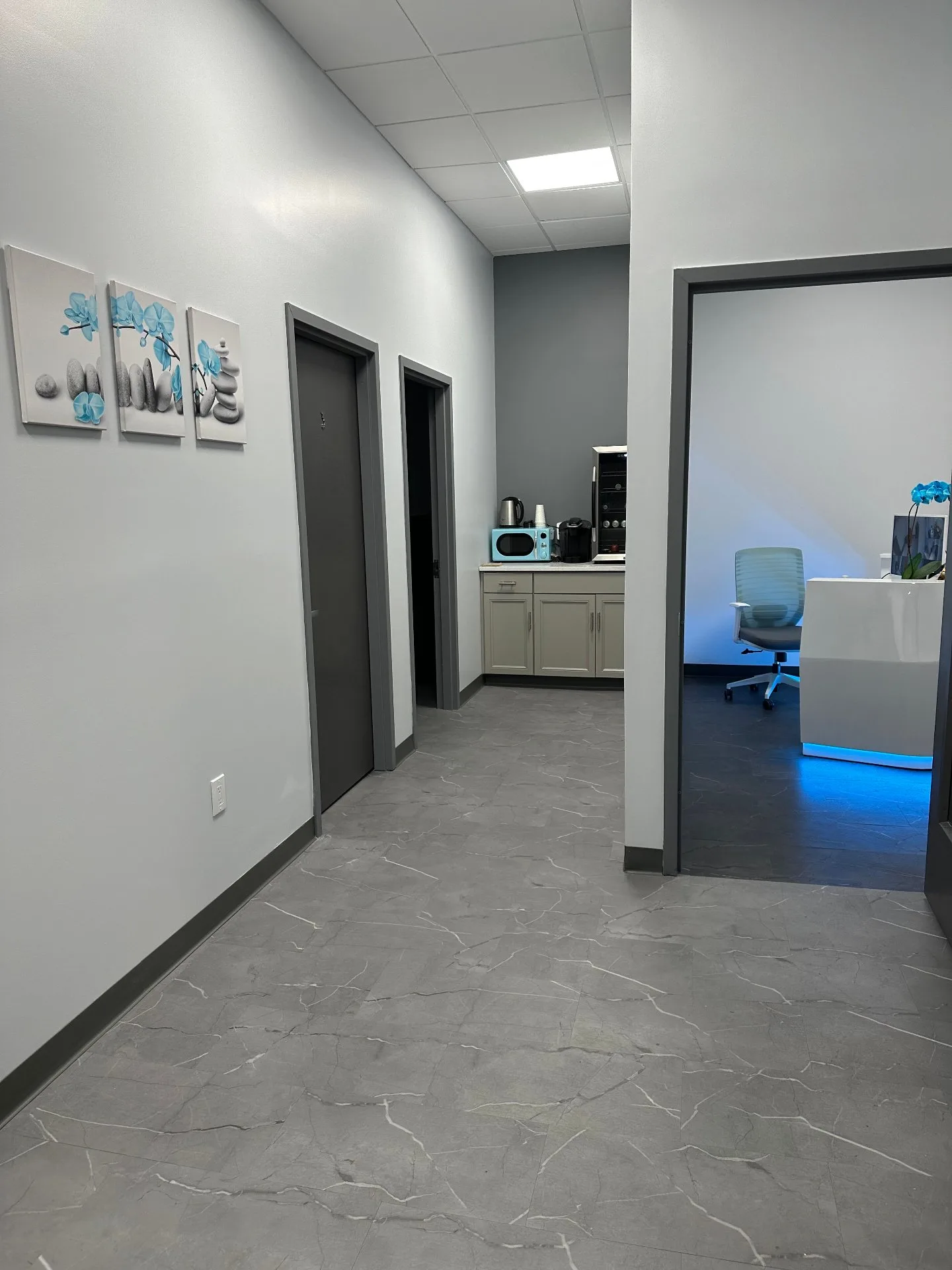
For a patient, the safety profile of ketamine means that the “heavy lifting” of the safety protocol happens before the first infusion even begins. A comprehensive medical screening is the most critical step. During this phase, you will provide a full medical history, a list of current medications, and a summary of your mental health journey. This allows the clinical team to identify any potential drug interactions or underlying health issues that need to be addressed before moving forward. If you have pre-existing cardiovascular issues, for example, your provider might coordinate with your primary care physician to ensure your blood pressure is optimized before starting therapy.
In practice, the safety of the treatment also depends on the “set and setting.” Patients are encouraged to enter their sessions in a calm state of mind, often using eye masks and curated music to stay grounded. Being in a clinical setting with medical professionals nearby provides a “safety net” that allows the patient to let go of anxiety and focus on their internal experience. Knowing that you are being monitored by pulse oximetry and heart rate monitors allows your nervous system to relax, which may actually enhance the therapeutic benefits of the medication. Following the session, the “is ketamine therapy safe” question is answered by the recovery protocol, which includes a period of rest and observation before the patient is cleared to leave.
For residents across Nassau and Suffolk County, accessing safe ketamine therapy means finding a local clinic that prioritizes medical rigor over convenience. Being close to home in Long Island reduces the stress of travel, which is important when you are required to have a driver and avoid operating heavy machinery for 24 hours. Local patients benefit from having a clinical team that is integrated into the Long Island healthcare community, allowing for seamless communication between your ketamine provider, your local therapist, and your primary doctor. Choosing a clinic that follows the highest safety standards ensures that patients from Huntington to Patchogue can pursue relief from depression or pain without the risks associated with unmonitored or home-use ketamine products.
While ketamine has been used recreationally, the context of clinical use is entirely different. In a medical setting, the dosages are controlled, the frequency is limited, and the administration is supervised. There is no evidence that low-dose ketamine therapy, when managed by professionals, leads to addiction or substance use disorders in patients seeking treatment for mood or pain conditions. (Current evidence suggests that medically supervised, intermittent low-dose ketamine treatment carries a low risk of developing ketamine use disorder in appropriately selected patients.)
Many patients fear they will “black out” or act inappropriately. In reality, while you may experience a sense of detachment or mild hallucinations (changes in perception)(dissociation), most patients remain aware of where they are and can communicate with the staff if they feel uncomfortable. The experience is often described as dream-like, but you are not “losing your mind.”
Reports of “ketamine cystitis” provide a frightening image, but this condition is typically seen in high-dose, daily recreational users. In a clinical setting, where infusions are spaced out and doses are low, the risk of bladder damage is extremely low. Proper hydration and following the provider’s schedule further mitigate this risk.
No, ketamine is not for everyone. Individuals with certain conditions—such as uncontrolled high blood pressure, unstable heart disease, a history of psychosis (like schizophrenia), or current pregnancy—are typically advised against it. A thorough medical screening is required to determine eligibility.
The most common side effects include dizziness, nausea, increased blood pressure, blurred vision, and a feeling of “floating” or dissociation. These effects usually start to fade within minutes of the infusion ending and are typically gone within two hours.
No. For safety reasons, every patient must have a responsible adult drive them home. While the acute effects of ketamine wear off quickly, your reflexes and judgment may be slightly impaired for the remainder of the day. You should not drive or operate heavy machinery until the following morning.
Certain medications, such as benzodiazepines or lamotrigine, can potentially dampen the effectiveness of ketamine, though they do not necessarily make it “unsafe.” It is vital to provide your clinic with a complete list of all prescriptions, supplements, and over-the-counter drugs you are taking. (Some medications—including benzodiazepines and possibly lamotrigine—may reduce ketamine’s antidepressant effects in certain patients. Your provider will review your medication list and determine whether any temporary adjustments are appropriate.)
In a reputable clinic, you are never truly alone. While you will be given space and privacy to have your experience, medical staff will monitor your blood pressure, heart rate, oxygen saturation, and overall comfort throughout the session. Most clinics use monitoring equipment that alerts staff immediately if there is any change in your physiological status.
Yes. Temporary increases in blood pressure and heart rate are common during treatment. For most healthy patients these changes are mild and resolve shortly after the infusion. Blood pressure is monitored throughout treatment, and additional precautions are taken for patients with cardiovascular conditions.
When administered by medical professionals in a controlled environment, the answer to “is ketamine therapy safe” is a resounding yes for the vast majority of screened patients (When administered by experienced medical professionals in an appropriately screened patient, ketamine therapy has been shown to have a favorable safety profile). While the medication does carry potential side effects—primarily transient changes in blood pressure and temporary dissociation—these are well-managed through standard clinical protocols. The safety of this treatment lies in the hands of the providers who oversee your care, the precision of the dosing, and the honesty of the initial medical evaluation. For those who have found no relief in traditional medications, ketamine offers a scientifically backed path forward that balances efficacy with a strong safety profile. If you’d like to talk through whether ketamine therapy could be right for you, our Long Island team offers free, confidential consultations. Call (516) 610-0604 today.
Reach out today to schedule a confidential consultation with Seda A. Port, NP. Our team will guide you through every step — verifying insurance, scheduling your first visit, and answering any questions about treatment.

zen integrative care
