
Choosing the right path for treatment-resistant depression or chronic anxiety is a deeply personal decision that often comes after years of trial and error with traditional medications. In recent years, two primary options have emerged within the field of glutamate-based medicine: intravenous (IV) ketamine infusions and Spravato (esketamine) nasal spray. Understanding the ketamine vs Spravato comparison is essential for patients seeking relief from persistent mental health symptoms. This guide provides a detailed analysis of the clinical differences, insurance coverage, and practical considerations to help you and your healthcare provider determine which protocol aligns best with your recovery goals.
The central question for many patients is whether they should opt for the highly controlled, 100% bioavailable intravenous route or the FDA-approved nasal spray that often comes with insurance support. While both treatments utilize a similar chemical foundation, they are delivered differently, regulated differently, and offer varying levels of precision. Deciding between them involves balancing clinical efficacy with financial logistics and time commitments. For those who have reached a plateau with SSRIs or SNRIs, these therapies offer a different mechanism of action by targeting NMDA receptors and promoting overall brain plasticity.
It is important to recognize that neither treatment is a “magic pill.( stand-alone solution)” Both require a supportive clinical environment and proper medical supervision. However, the patient experience varies significantly between an office-based infusion and a patient-administered nasal spray under direct medical supervision by a clinician (the device stays in the office). By looking at the objective data regarding how these substances enter the bloodstream and interact with the brain, patients can move past the marketing jargon and make an informed choice based on medical reality and personal preference.
Ketamine has been used safely in surgical settings as an anesthetic for over fifty years. In the early 2000s, clinical researchers discovered that sub-anesthetic doses of the drug could rapidly alleviate symptoms of depression and suicidal ideation. This discovery led to the rise of IV ketamine clinics across the country. Because ketamine is a generic medication, it has not undergone the multi-million dollar FDA approval process specifically for psychiatric use, although it is legally prescribed “off-label” by medical providers every day for this purpose. Maybe replace with this – (Because ketamine is a generic medication that has long been approved as an anesthetic, manufacturers have not pursued FDA approval for psychiatric indications. Physicians may legally prescribe IV ketamine off-label when clinically appropriate.)
Spravato, or esketamine, was developed by Janssen Pharmaceuticals as a response to the need for a standardized, FDA-approved version of ketamine. In 2019, the FDA approved Spravato for treatment-resistant depression and later for depressive symptoms in adults with acute suicidal ideation or behavior. Spravato is the s-enantiomer of the ketamine molecule, which allowed it to be patented and brought to market as a specific brand-name treatment. This approval changed the landscape of mental health care by bringing ketamine-based therapy into the mainstream insurance model.
Despite their similarities, the “off-label” status of IV ketamine and the “FDA-approved” status of Spravato create a significant divide in how patients access care. IV ketamine is generally retired (obtained) from a compounding pharmacy or hospital supply and administered via a slow drip, allowing for minute-to-minute adjustments in dosage. Spravato is provided in a pre-metered nasal spray device. While both medications require the patient to remain in the clinic for observation for approximately two hours, the pharmaceutical transparency and cost structures remain the primary points of differentiation in any ketamine vs Spravato comparison.
When evaluating these two options, several technical and logistical factors stand out. Understanding these pillars of care can help demystify the process of starting ketamine therapy.
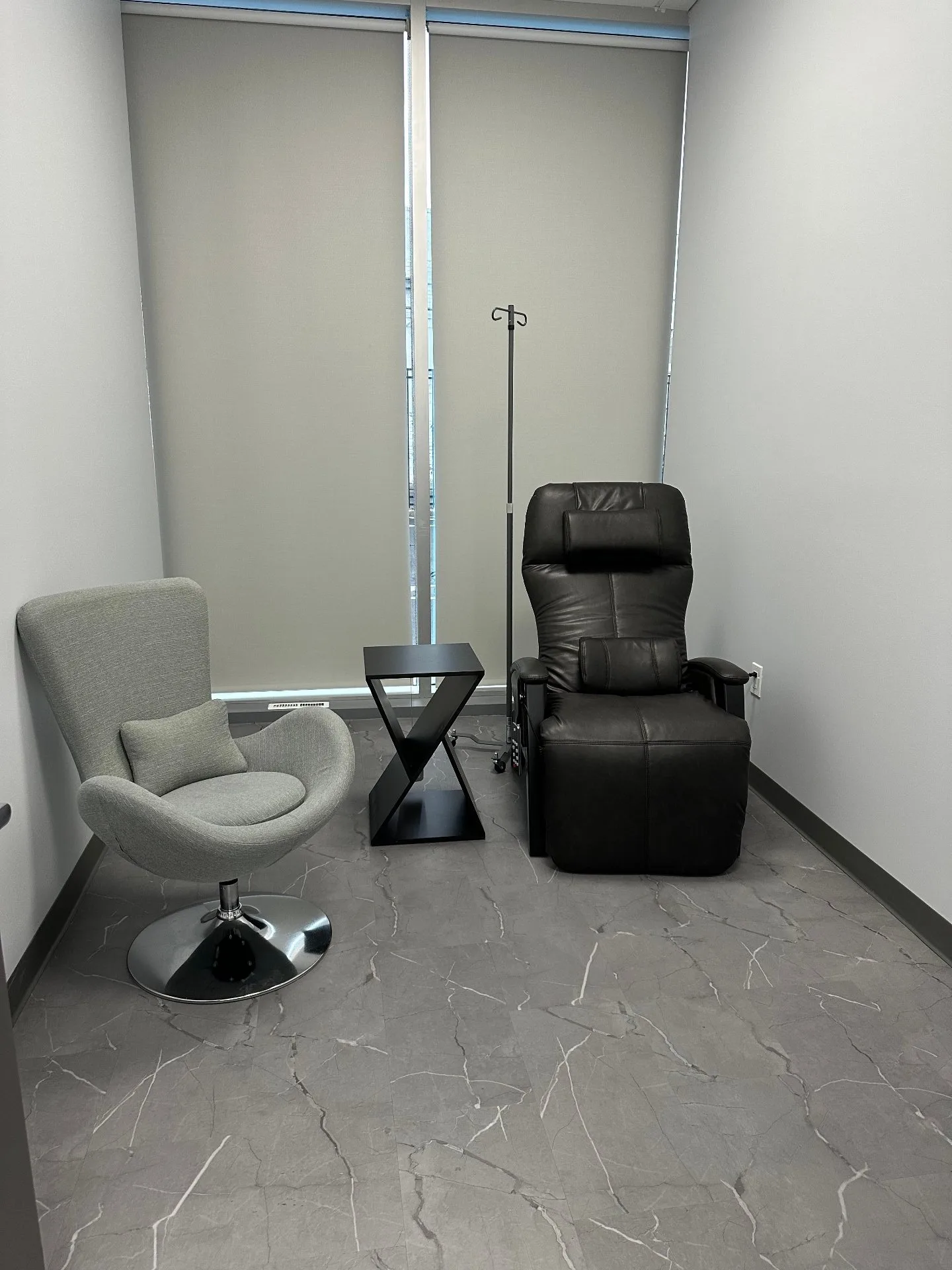
For the average patient, the choice often boils down to a trade-off between the precision of IV delivery and the affordability of Spravato. If a patient has a rigid budget and high-quality insurance, Spravato is often the logical starting point. The financial burden is significantly reduced, and the clinical outcomes remain high for a large percentage of those who struggle with depression. However, the “fixed-dose” nature of the nasal spray means that if a patient does not respond to the maximum dose allowed by the FDA, they have few options for adjustment within that specific treatment framework.
Conversely, for patients who have found no success with other treatments or who are dealing with complex PTSD or alongside depression, IV ketamine offers a more tailored experience. The ability for a clinician to titrate the dose based on the patient’s weight and subjective experience can lead to a more profound breakthrough. While the out-of-pocket cost is higher, some find that the fewer number of sessions required for maintenance makes it a sustainable long-term solution. Patients must weigh their immediate financial capacity against the potential for a more customized clinical protocol.
Long Island residents in Nassau and Suffolk County have access to a wide range of mental health resources, but navigating the specific requirements for ketamine therapy can be complex. Because New York insurance mandates vary, patients on Long Island often find that local providers are well-versed in the prior authorization process for Spravato. Furthermore, the commute for twice-weekly sessions during the induction phase is a major factor for those living in towns like Huntington, Garden City, or Patchogue. Choosing a clinic that offers both options allows Long Island patients to transition between therapies if their clinical needs or insurance status changes, ensuring continuity of care without having to find a new medical team.
While Spravato has a lower bioavailability than an IV infusion, it is a potent medication specifically formulated to target the brain’s NMDA receptors. It is not a “weak” version of ketamine; rather, it is a specific isomer of the molecule. For many patients, the 84mg dose of Spravato provides a sufficient therapeutic effect to reach remission from depressive symptoms.
This is a dangerous misunderstanding. Due to the risk of dissociation and temporary blood pressure spikes, the FDA requires Spravato to be administered under the direct supervision of a healthcare provider. Patients must remain in the office for two hours of monitoring and are strictly prohibited from driving until the following day after a restful night’s sleep.
While IV ketamine is often used for treatment-resistant cases, it is increasingly being used as a proactive intervention to prevent further decline. It is not a treatment of “last resort” only. Many patients choose IV infusions earlier in their journey to regain functionality in their professional and personal lives before their symptoms become completely debilitating.
While Spravato is currently FDA-approved specifically for depression, many clinicians find that both IV ketamine and Spravato can significantly reduce symptoms of generalized anxiety and social anxiety. IV ketamine is often utilized off-label for anxiety disorders with high success rates due to its ability to be dosed specifically for the patient’s sensitivity levels. (and has demonstrated benefit for many patients with anxiety disorders in clinical practice, although this use is considered off-label)
Generally, both treatments began with an “induction phase.” For Spravato, this usually involves two sessions per week for four weeks, followed by once-weekly sessions. IV ketamine typically involves six infusions over the course of two to three weeks. After the induction phase, both treatments move to a maintenance schedule based on the patient’s individual response.
No. Regardless of whether you receive an IV infusion or the Spravato nasal spray, you cannot drive for the rest of the day. You must arrange for a driver, use a ride-share service, or have a friend or family member pick you up. This is a non-negotiable safety requirement due to the lingering sedative and dissociative effects of the medication.
Most patients experience a sense of deep relaxation, altered perception of time, or mild dissociation (a feeling of being detached from the body). Some describe it as a “dream-like” state. The clinical staff ensures you are in a comfortable environment, often with dim lighting and music, to make the experience as pleasant and calming as possible.
Most insurance companies do not currently cover the cost of IV ketamine infusions because they are used off-label. However, some providers can provide a “superbill” that you can submit to your insurance for potential out-of-network reimbursement. Spravato, on the other hand, is covered by most plans, including many Empire Blue Cross, New York State HIP, and UnitedHealthcare policies common on Long Island.
The ketamine vs Spravato comparison is ultimately about finding the right balance between medical efficacy, accessibility, and cost. Both therapies represent a major advancement in psychiatry, offering hope to those who have felt abandoned by traditional oral medications. Whether you choose the precision and customized nature of IV infusions or the FDA-approved, insurance-friendly path of Spravato, the goal remains the same: sustained relief from mental health symptoms and a return to a vibrant, engaged life. If you’d like to talk through whether ketamine therapy could be right for you, our Long Island team offers free, confidential consultations. Call (516) 610-0604 today.
Reach out today to schedule a confidential consultation with Seda A. Port, NP. Our team will guide you through every step — verifying insurance, scheduling your first visit, and answering any questions about treatment.

zen integrative care
