
Compassionate, medically supervised ketamine care for East Hampton and the wider Suffolk County community.
For those who call East Hampton home, the serene beauty of the Atlantic coastline and the artistic heritage of the Pollock-Krasner House offer a unique sense of place. However, the tranquility of our local landscape does not always reflect the internal struggle of those living with treatment-resistant mental health conditions. Whether you are a year-round resident navigating the quiet winters or a business owner managing the rush of the summer season, the weight of depression and anxiety can feel isolating even in a close-knit community. When traditional therapies fail to provide relief, many area residents are seeking innovative medical interventions to reclaim their quality of life.
Our clinic serves as a dedicated resource for the East End community, providing a clinical environment for supervised ketamine infusion therapy and Spravato treatments. East Hampton residents typically reach our clinic via a straightforward commute along Montauk Highway or by utilizing the East Hampton LIRR station for specialized medical travel. We understand that finding effective care requires more than just convenience; it requires a deep sense of empathy for the exhaustion that comes with chronic mental health struggles. By offering a different clinical path, we help patients from across the South Fork find hope when other options have been exhausted.
The mental health landscape on Long Island is complex, often marked by high expectations and the unique pressures of coastal life. In East Hampton, residents often balance the demands of high-stakes careers, long commutes, and the socioeconomic stressors that accompany living in one of the country’s most visible regions. For many, traditional oral medications like SSRIs or SNRIs have failed to provide adequate symptom relief, or the side effects have proven too burdensome to maintain a productive life. This “treatment gap” has led many Suffolk County residents to explore the science of ketamine, which works through an entirely different biological mechanism than standard antidepressants.
While traditional medications focus on modulating serotonin or norepinephrine levels over several weeks or months, ketamine acts on the glutamate system. This neurotransmitter is vital for synaptic plasticity—the brain’s ability to form new neural connections and repair damaged pathways often associated with chronic stress and trauma. For the East Hampton professional facing burnout, the parent struggling with postpartum depression, or the veteran dealing with the echoes of service, this rapid-acting mechanism offers a distinct therapeutic window. By targeting the NMDA receptors, ketamine therapy may help “reset” neural circuits that have become stagnant, allowing for improved emotional regulation and cognitive flexibility.
We provide medically supervised ketamine treatments for a variety of complex conditions that have not responded to conventional protocols. Our approach is rooted in peer-reviewed clinical research and a commitment to patient safety.
Treatment-Resistant Depression — This condition involves a diagnosis where at least two different antidepressant medications have failed to alleviate symptoms significantly.
Anxiety Disorders — We address generalized anxiety, social anxiety, and panic disorders that interfere with a patient’s ability to function in daily life.
Post-Traumatic Stress Disorder (PTSD) — Ketamine therapy is utilized to help reduce the intensity of flashbacks, hypervigilance, and emotional numbing associated with trauma.
Chronic Pain and CRPS — High-dose protocols are available to help manage neuropathic pain conditions and Complex Regional Pain Syndrome by modulating pain signals in the central nervous system.
Postpartum Depression — This specialized care focuses on helping new mothers regain their emotional footing and bond with their infants when standard care is insufficient.
Suicidal Ideation — Due to its rapid onset of action, ketamine is often used as a stabilization tool for patients experiencing acute, intrusive thoughts of self-harm.
The journey begins with a comprehensive, confidential consultation to determine if you are a candidate for ketamine therapy. During this initial phase, we review your psychiatric history, current medications, and physical health. This is a collaborative process where we discuss your goals for treatment and clarify what you can expect from the experience. We believe that transparency is the foundation of a successful therapeutic relationship, and we encourage East Hampton patients to ask detailed questions about the procedure and the science behind it.
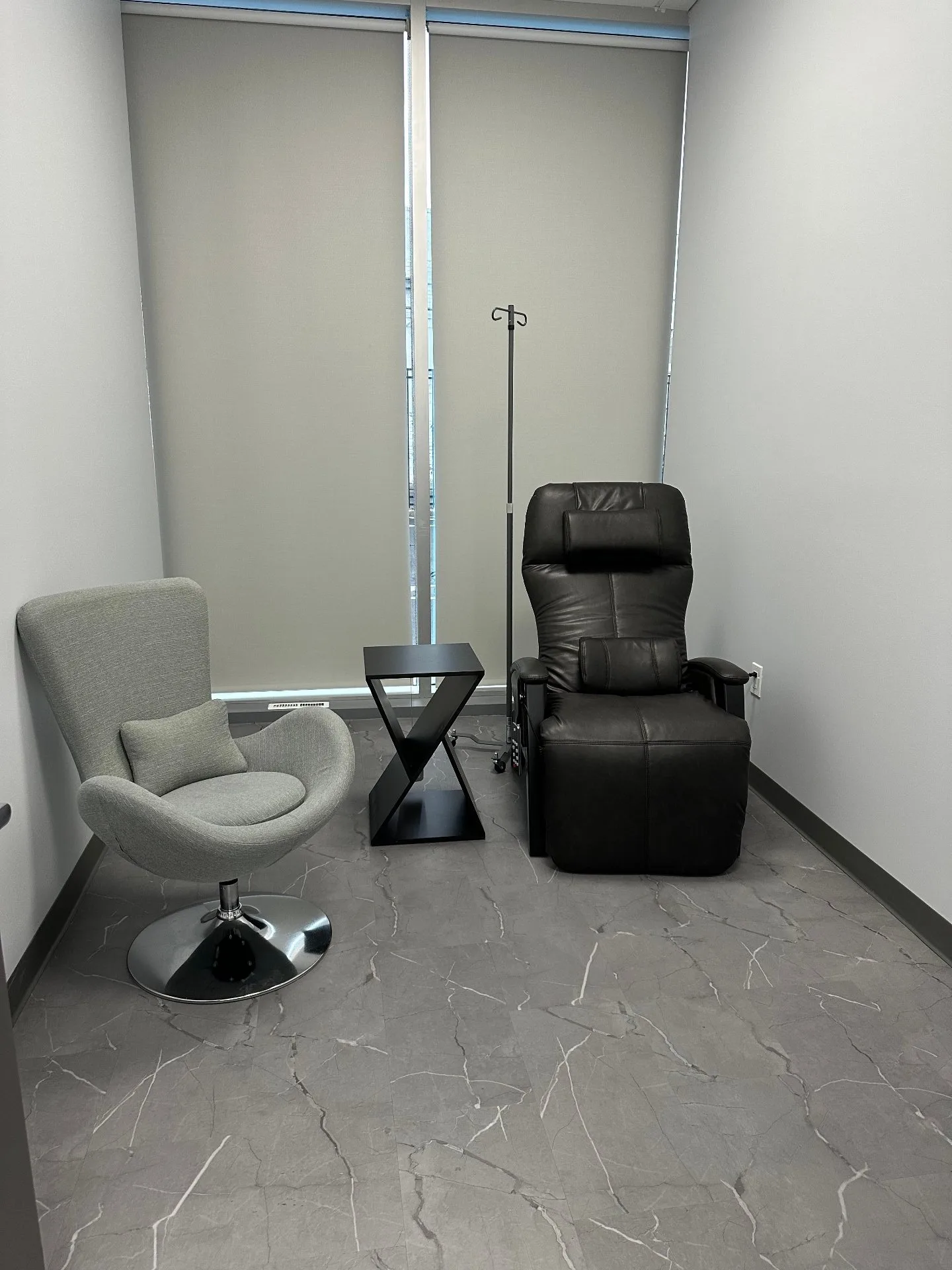
Once cleared for treatment, you will undergo a formal medical screening by our clinical team. Your actual treatment sessions take place in a private, comfortable room specifically designed to minimize external stimuli. For IV infusions, a precise dose is administered by a licensed medical professional who monitors your vital signs throughout the duration of the session. For those prescribed Spravato (esketamine), the nasal spray is self-administered under direct supervision. Most patients describe the experience as a deeply relaxing, dissociative state where they remain conscious but feel a profound sense of “distance” from their immediate stressors and negative thought patterns.
The final, and perhaps most vital, stage of the journey is integration. Following each session, we emphasize the importance of working with your primary therapist or mental health provider to process the insights gained and the emotional shifts experienced during the treatment. Ketamine is not a “magic pill,” but rather a biological tool that creates a period of increased neuroplasticity. By combining medical infusions with traditional talk therapy, East Hampton residents can work toward long-term behavioral changes and lasting relief from their symptoms.
Our clinic is a short drive from East Hampton, with free on-site parking and full ADA accessibility. The map below centers on East Hampton — most patients reach us in well under thirty minutes.
Located easily within reach for East End residents, our clinic is approximately a 40-to-60-minute drive from the village of East Hampton, depending on the time of day and the seasonal congestion on Montauk Highway (Route 27). Most patients find the drive straightforward, traveling west through Bridgehampton and Southampton toward our facility. For those who prefer not to drive, the Long Island Rail Road (LIRR) offers service from the East Hampton station, providing a relaxing alternative for the commute. We provide ample free parking for our patients, and our facility is fully ADA-accessible to ensure that everyone in our community can receive care with dignity and ease.
Yes, many of our patients choose to take the LIRR from the East Hampton station. Our facility is located a short distance from the local rail stops, making it a viable option for those who prefer to avoid the traffic on Montauk Highway. We recommend coordinating your appointment time with the train schedule to ensure a smooth transition to and from your session.
No, for your safety and the safety of others, we require that every patient has a designated driver to take them home after a ketamine session. The dissociative effects of the medication require time to fully wear off, and you should not operate heavy machinery or drive until the following day. We can help you coordinate with a friend, family member, or local transportation service if needed.
We are very familiar with the seasonal shifts in East Hampton and offer flexible scheduling to accommodate our year-round residents and seasonal visitors. We suggest booking your appointments well in advance during the peak summer months to ensure your treatment cadence is not interrupted by increased demand. Our administrative team is happy to work with you to find times that minimize your time spent in South Fork traffic.
Coverage varies significantly depending on your specific provider and the type of treatment prescribed. Spravato is often covered by many commercial insurance plans for treatment-resistant depression, subject to prior authorization. While IV ketamine infusions are currently considered off-label and are often an out-of-pocket expense, we provide detailed superbills that you can submit to your insurance company for potential out-of-network reimbursement.
Yes, you will remain awake and conscious throughout your ketamine session. While you may experience a sense of dissociation or “dream-like” state, you will be able to speak with our medical staff if necessary. Our team monitors you continuously to ensure you feel secure and comfortable during the entirety of the process.
Many of our patients come to us feeling exactly that way—exhausted by years of trying various medications and therapeutic modalities without success. Ketamine therapy offers a different biological pathway than the options you have likely tried in the past. We encourage you to schedule a consultation to discuss why your previous treatments may have fallen short and how this approach might offer a new perspective on your mental health journey.
Taking the first step toward a new treatment can feel overwhelming, but you do not have to navigate this process alone. We offer several ways for East Hampton residents to connect with our clinical team, including initial phone consultations to answer your preliminary questions and telehealth options for follow-up care.
If you are ready to explore a different path toward mental wellness, we invite you to visit our facility in person to meet our staff and tour our quiet, private treatment rooms. We are committed to providing the residents of Suffolk County with compassionate, evidence-based care in a professional medical setting.

zen integrative care
