
Compassionate, medically supervised ketamine care for East Meadow and the wider Nassau County community.
For many neighbors in East Meadow, life transitions between the peaceful greenery of Eisenhower Park and the bustling corridors of the Hempstead Turnpike. Yet, behind the manicured lawns and familiar suburban rhythms, many individuals struggle with invisible burdens that traditional medicine has failed to lift. If you are living with treatment-resistant depression or chronic anxiety, the weight of the world can feel insurmountable, even when surrounded by the comforts of central Nassau County. We understand that mental health challenges are not a choice, and for those who have tried multiple medications without relief, the feeling of hopelessness can become a daily companion.
East Meadow residents are uniquely positioned within the heart of Long Island, often commuting to the clinic via the Meadowbrook Parkway or navigating the busy intersections near Nassau University Medical Center. We recognize that seeking help requires courage and logistical ease. Our clinic provides a supportive, medically supervised environment designed to help you reclaim your life when standard therapies have plateaued. We offer a compassionate path forward that focuses on the biological roots of your symptoms, providing a space where you can feel heard, validated, and professionally cared for throughout your healing process.
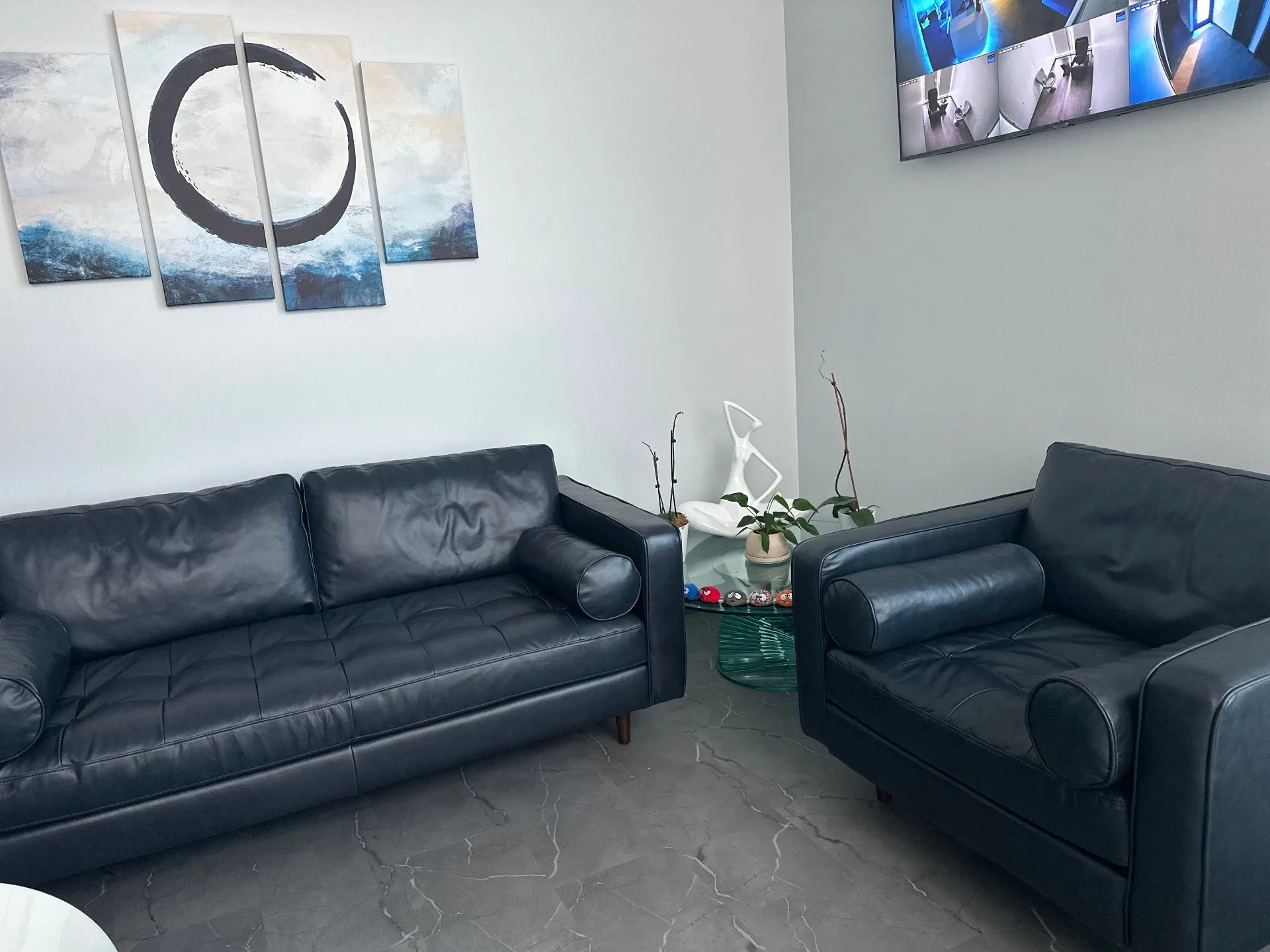
The pace of life in Nassau County is notoriously demanding. From the high-pressure environments of our local healthcare facilities to the daily grind of commuting into the city or navigating school district stressors, East Meadow residents face specific regional pressures that can exacerbate mental health conditions. While Selective Serotonin Reuptake Inhibitors (SSRIs) and other traditional antidepressants are the standard starting point, a significant portion of the population finds that these medications either take too long to work or fail to provide comprehensive relief. This “treatment gap” often leaves patients feeling stuck in a cycle of trial and error while their quality of life continues to diminish.
Ketamine therapy offers a fundamentally different mechanism of action compared to traditional oral medications. While SSRIs generally target the brain’s monoamine neurotransmitters like serotonin, ketamine works on the glutamate system. Glutamate is the most abundant excitatory neurotransmitter in the brain and plays a critical role in synaptic plasticity—the brain’s ability to form new neural connections. For residents of East Meadow who have felt “stuck” in negative thought patterns or debilitating physical pain, this different neurological approach can offer a sense of relief that was previously thought unattainable. By addressing the brain’s communication pathways directly, ketamine therapy provides an evidence-based alternative for those whose conditions have proven resistant to conventional methods.
We provide specialized ketamine protocols for a variety of complex mental health and chronic pain conditions, ensuring that each patient receives a plan tailored to their specific diagnosis and medical history.
Treatment-Resistant Depression — For those who have not responded to two or more traditional antidepressant medications, ketamine may help stabilize mood by repairing damaged neural pathways.
Anxiety Disorders — We address the physiological and psychological symptoms of generalized anxiety and social anxiety by calming an overactive nervous system.
PTSD — Ketamine therapy can help individuals process traumatic memories by fostering a state of neuroplasticity, making therapeutic breakthroughs more accessible.
Chronic Pain and CRPS — By modulating NMDA receptors, ketamine infusions can provide relief from debilitating nerve pain and Complex Regional Pain Syndrome when other treatments fail.
Postpartum Depression — We offer a supportive intervention for new parents in East Meadow who are struggling with the severe mood shifts and exhaustion that can follow childbirth.
Suicidal Ideation — Ketamine is recognized for its ability to rapidly reduce acute suicidal thoughts, providing a critical window of safety and stabilization for those in crisis.
Your journey toward wellness begins with a comprehensive, free initial consultation, which can be conducted via telehealth for your convenience. During this conversation, we discuss your medical history, previous treatments, and your specific goals for therapy. This is a time for you to ask questions and determine if our approach aligns with your needs. Following this initial talk, you will undergo a formal medical screening to ensure that ketamine is a safe and appropriate option for your unique physiology. We believe in a transparent process where you are an active participant in your care plan from day one.
Once cleared for treatment, your sessions take place in a private, quiet room within our clinic. Depending on your diagnosis and preference, you may receive intravenous (IV) infusions or Spravato (esketamine) nasal spray. During the session, our medical staff monitors your vitals and ensures your physical comfort while the medication works. Most patients describe the experience as a period of deep relaxation or a “dissociative” state that allows them to view their thoughts and feelings from a more objective perspective. Each session is carefully timed and supervised to prioritize your safety and psychological well-being.
The final and perhaps most crucial phase of the journey is integration. After your infusion or nasal spray session, you will spend time in a dedicated recovery space as the immediate effects wear off. We strongly encourage you to work with a therapist to “integrate” the insights and cognitive shifts experienced during treatment into your daily life. This holistic approach ensures that the neuroplastic benefits of ketamine are supported by healthy lifestyle changes and psychological tools. We coordinate with your existing healthcare providers to ensure that your ketamine therapy is a seamless addition to your overall wellness strategy.
Our clinic is a short drive from East Meadow, with free on-site parking and full ADA accessibility. The map below centers on East Meadow — most patients reach us in well under thirty minutes.
Reaching our facility from East Meadow is a straightforward commute, typically taking between 15 and 20 minutes depending on traffic. Most patients find it easiest to take the Meadowbrook Parkway or the Hempstead Turnpike, which provide direct routes to our professional corridor. We understand that transportation can be a concern, especially when undergoing treatments that require you to have a designated driver for the trip home. To make your visit as stress-free as possible, we offer ample free parking directly outside our building. Our facility is fully ADA-accessible, ensuring that all patients, including those with mobility challenges or chronic pain, can enter and exit our clinic with ease and dignity.
While East Meadow does not have its own LIRR station, most residents use the nearby Westbury or Salisbury stations. From those points, our clinic is a short ride-share or taxi trip away, making it a viable option for those who prefer not to drive through Nassau County traffic. We recommend planning your arrival time to ensure you are relaxed before your session begins.
While Nassau University Medical Center provides essential acute and emergency psychiatric services, our clinic focuses on elective, specialized outpatient ketamine therapy for chronic conditions. We provide a more private, boutique environment that focuses specifically on the administration of ketamine in a controlled, therapeutic setting. We often work in tandem with the recommendations of local hospital systems to provide long-term maintenance care.
We require that all patients have a pre-arranged ride home, as you should not drive or operate heavy machinery for the remainder of the day. While the fresh air of Eisenhower Park is wonderful for mental health, we recommend that you spend the hours immediately following your treatment resting at home. You may find that returning to your favorite local park the next day is a much more grounded and reflective experience.
Insurance coverage varies significantly between providers and specific plans. While Spravato (esketamine) is often covered by many major insurance carriers, IV ketamine infusions are frequently considered off-label and may require out-of-pocket payment. Our administrative team is happy to help you navigate your benefits and can provide paperwork for potential out-of-network reimbursement requests.
Every patient responds differently, but many individuals notice an improvement in their symptoms within the first two to three sessions. A typical induction protocol involves six sessions over a two-to-three-week period, followed by a maintenance schedule tailored to your progress. Professional consultation is essential to determine the right frequency for your specific medical needs.
Safety is our primary concern, and we perform a rigorous medical screening for every new patient. Because ketamine can cause a temporary increase in heart rate and blood pressure, we monitor these vitals closely throughout your entire infusion. If your blood pressure is well-managed by your primary care physician, you may still be a candidate for treatment, but a professional medical evaluation is required first.
If you are tired of the cycle of ineffective medications and are ready to explore a different path to mental wellness, we invite you to reach out. Our team is dedicated to providing East Meadow residents with a higher standard of compassionate, medically supervised ketamine therapy.
Whether you prefer a preliminary phone consultation, a telehealth appointment from the comfort of your home, or an in-person visit to tour our space, we are here to support your decision-making process. Take the first step toward reclaiming your mental health and finding the relief you deserve.

zen integrative care
