
Compassionate, medically supervised ketamine care for Islip and the wider Suffolk County community.
For many neighbors residing near the historic Islip Town Hall or along the quiet residential streets of Hamlet, the burden of treatment-resistant mental health conditions can feel like an invisible barrier to enjoying everything our South Shore community has to offer. While Long Island provides a beautiful backdrop for life, the internal struggle with depression or chronic anxiety can make even a simple afternoon walk through the trails of Heckscher State Park feel like an insurmountable task. When traditional therapies and medications fail to provide the relief you deserve, it is common to feel a sense of hopelessness or isolation within your own neighborhood.
Our clinic serves as a dedicated resource for Islip residents seeking a different path toward wellness. We understand that life on the South Shore involves unique rhythms, from the daily commute along Sunrise Highway to the seasonal shifts in our coastal town. Many of our patients travel from Islip via the Islip LIRR station or a quick drive westward to access our specialized care. We provide a sterile, compassionate, and medically supervised environment where residents can explore ketamine therapy as a viable alternative for managing complex mental health challenges that have not responded to standard interventions.
The mental health landscape on Long Island is shaped by specific regional pressures that can exacerbate stress and mood disorders. Residents often balance high-intensity professional lives with long commutes, significant family obligations, and the rising cost of living in Suffolk County. For those working in our local healthcare systems or commuting into the city, burnout is a frequent reality. When these pressures intersect with clinical depression or anxiety, the standard “maintenance” approach of daily SSRIs may fall short. Many patients find that traditional antidepressants take weeks or months to show efficacy, and for a significant percentage of the population, they may never provide complete symptomatic relief.
Ketamine therapy offers a departure from the traditional pharmacological approach. While most antidepressants focus on modulating serotonin or norepinephrine levels, ketamine works through the glutamatergic system. This mechanism focuses on synaptogenesis—the strengthening and regrowth of neural connections that may have been damaged by chronic stress and illness. This biological difference is why many Islip residents are looking beyond their primary care physician’s standard toolkit. By targeting different pathways in the brain, ketamine provides an opportunity for a “reset” that many describe as a lifting of the heavy fog that has dominated their lives for years.
We provide evidence-based ketamine protocols for a variety of conditions that have proven resistant to conventional medical and psychological treatments. Each treatment plan is customized to the individual’s diagnostic history and physical health profile.
Treatment-Resistant Depression — For individuals who have tried two or more standard antidepressant medications without achieving significant symptom remission.
Anxiety Disorders — Addressing the persistent, intrusive thoughts and physical symptoms associated with Generalized Anxiety Disorder and panic conditions.
PTSD — Helping patients process traumatic memories by reducing the brain’s hyper-reactive “fight or flight” response to triggers.
Chronic Pain and CRPS — Utilizing systemic infusions to help manage complex regional pain syndrome and other neurological pain conditions that limit daily mobility.
Postpartum Depression — Providing a rapid-acting intervention for new parents struggling with severe mood shifts following childbirth when traditional options are too slow.
Suicidal Ideation — Offering a crucial stabilization tool for individuals experiencing acute, intrusive thoughts of self-harm in coordination with their primary psychiatric team.
The process begins with a comprehensive, low-pressure consultation where we review your medical history, current medications, and previous treatment attempts. This initial step is vital to ensure that ketamine therapy is a safe and appropriate option for your specific needs. We coordinate with your existing mental health providers—whether they are based in Islip, East Islip, or elsewhere in Suffolk County—to ensure your care is integrated and holistic. During this phase, we discuss the differences between intravenous (IV) infusion therapy and intranasal Spravato, helping you determine which modality aligns with your clinical goals and insurance coverage.
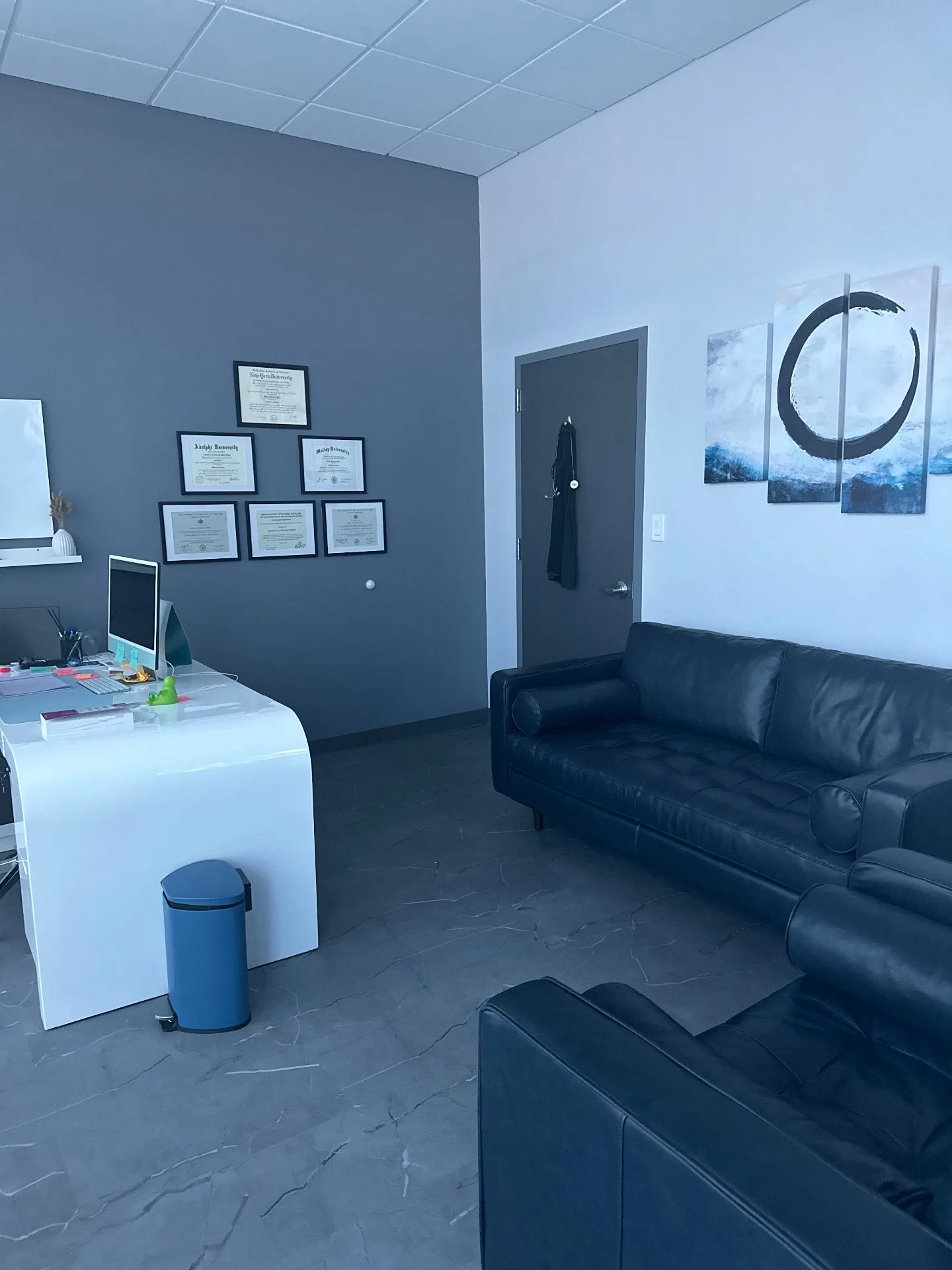
If you are cleared for treatment, your sessions will take place in our comfortable, private suites. For IV therapy, a sub-anesthetic dose is administered by a medical professional while your vital signs are continuously monitored. The experience is often described as a dissociative state, where patients feel a sense of detachment from their physical surroundings and immediate emotional stressors. This “time-out” for the brain allows for the biological restructuring of neural pathways. For those receiving Spravato, the process follows a strict REMS protocol, ensuring you are under medical supervision for the duration of the treatment and the immediate recovery period.
The final and perhaps most important phase is the integration period. Following your sessions, we encourage patients to engage in “neuroplastic windows”—periods where the brain is more receptive to new patterns of thinking. This often involves working closely with a therapist to solidify the insights and emotional lightness experienced during the infusion. Our goal is not just temporary relief, but long-term functional improvement that allows you to return to your daily life in Islip with a renewed sense of agency and resilience. We monitor your progress through standardized mood tracking to ensure the treatment plan remains optimized for your recovery.
Our clinic is a short drive from Islip, with free on-site parking and full ADA accessibility. The map below centers on Islip — most patients reach us in well under thirty minutes.
Reaching our facility from the Town of Islip is a straightforward commute whether you prefer to drive or utilize public transportation. For those driving, the most direct route is typically via Sunrise Highway (NY-27 West) or the Southern State Parkway, with an average travel time of approximately 15 to 20 minutes depending on traffic. If you prefer the Long Island Rail Road, the ride from the Islip station to our nearest hub is efficient, followed by a short local transit or rideshare connection. Our clinic is designed for patient comfort and accessibility, offering ample free private parking and full ADA compliance to ensure that your visit is stress-free from the moment you arrive. We recommend arranging a dedicated driver for your return trip, as patients cannot operate a vehicle for the remainder of the day after treatment.
Yes, our location is conveniently situated for those using the Montauk Branch from the Islip LIRR station. The commute is relatively short, though we remind patients that they must have a designated driver or use a rideshare service to return home after their session, as driving is prohibited post-infusion. We can help you coordinate timing to ensure your appointment coincides with the train schedule.
Our clinical team frequently collaborates with psychiatrists, therapists, and primary care physicians throughout the Islip, Brightwaters, and Bay Shore areas. We believe in a collaborative approach to mental health and prioritize communication with your local healthcare team to ensure a seamless continuum of care. We are happy to share progress reports with your Islip-based providers upon your request.
While being in nature can be a wonderful way to ground yourself, we recommend arriving at your appointment in a calm, neutral state. Most patients find it helpful to avoid vigorous activity or significant stressors immediately before a session. It is often more beneficial to visit local landmarks like Heckscher State Park the day after your treatment, when you can practice mindfulness and integration in a serene environment.
For a typical IV ketamine infusion, you should plan to be at our facility for approximately 90 minutes to two hours. This includes the preparation time, the 40-minute infusion, and a mandatory recovery period where our medical team monitors you as the effects wear off. For Spravato patients, the observation period is strictly two hours as mandated by the FDA.
Ketamine is designed to promote neuroplasticity, which involves the physical repair and strengthening of synapses in the brain that have been weakened by illness. While these biological changes are positive and intended to be lasting, the duration of the antidepressant effect varies by individual. Many patients enter a maintenance phase where they receive occasional “booster” infusions to sustain their results over time.
Coverage depends entirely on your specific provider and the type of treatment you receive; for instance, Spravato is often covered by many insurance plans for treatment-resistant depression, while IV ketamine is frequently handled as an out-of-network service. Our administrative team is experienced in navigating insurance verifications for Suffolk County residents and will provide you with a detailed breakdown of costs and potential reimbursements during your initial screening.
Taking the first step toward a new treatment can feel overwhelming, but you do not have to navigate this journey alone. Our team is committed to providing Islip residents with a safe, professional, and empathetic environment to explore the possibilities of ketamine therapy.
Whether you are currently under the care of a local therapist or are just beginning to seek specialized help, we offer several ways to connect. You can schedule an initial telehealth screening from the comfort of your home, join us for an in-person tour of our suites, or start with a simple phone

zen integrative care
