
Compassionate, medically supervised ketamine care for Massapequa and the wider Nassau County community.
Living in Massapequa often feels like the perfect balance between South Shore charm and easy access to the city. Whether you spent your weekend walking the scenic trails at the Massapequa Preserve or enjoying the quiet of the off-season, the beauty of our local surroundings can sometimes feel at odds with the internal struggle of clinical depression or anxiety. When the weight of mental health challenges becomes heavy, even the most beautiful sunset over the Great South Bay can feel distant. For many in our community, traditional treatments have not provided the relief they deserve, leaving them searching for a new path toward wellness.
Our clinic serves as a dedicated resource for Massapequa residents seeking advanced mental health interventions. Many of our patients find the commute to be a seamless part of their routine, often traveling via Sunrise Highway or taking a quick trip from the Massapequa LIRR station. We understand that seeking help is a significant step, especially when you have already tried numerous medications and therapies without success. We provide a compassionate environment where your history is respected and your future health is our primary focus. We are here to help you navigate the complexities of treatment-resistant conditions with evidence-based care tailored to your specific needs.
The mental health landscape on Long Island is unique, shaped by high-pressure careers, long commutes, and the busy pace of suburban life. In Massapequa, families often juggle demanding schedules, and the cumulative stress can take a toll on emotional resilience. For many individuals, traditional Selective Serotonin Reuptake Inhibitors (SSRIs) or Serotonin-Norepinephrine Reuptake Inhibitors (SNRIs) fall short. These medications often require weeks or months to show efficacy, and for a significant portion of the population, they may never provide complete symptomatic relief. This “treatment gap” leaves many local residents feeling stuck in a cycle of trial-and-error medicine while their quality of life continues to diminish.
Ketamine therapy offers a different biological mechanism compared to traditional antidepressants. While SSRIs focus on the monoamine system, ketamine interacts with glutamate, the most abundant chemical messenger in the brain. Research suggests this process helps to repair and strengthen neural connections that have been damaged by chronic stress and depression. For a Massapequa professional dealing with burnout or a parent struggling with the heavy fog of postpartum depression, this rapid-acting approach can be a vital turning point. By addressing the brain’s neuroplasticity, ketamine provides a biological “reset” that helps patients move beyond the limitations of standard oral medications.
We provide specialized ketamine infusions and Spravato (esketamine) treatments for a variety of conditions that have not responded to first-line therapies. Our goal is to stabilize your symptoms and provide a foundation for long-term emotional recovery.
Treatment-Resistant Depression — This condition occurs when a patient has not found relief from at least two different antidepressant medications.
Anxiety Disorders — We address generalized anxiety, social anxiety, and panic disorders that interfere with daily functioning and social interactions.
PTSD — Ketamine therapy can help reduce the intensity of intrusive memories and the hyperarousal often experienced by trauma survivors.
Chronic Pain/CRPS — Clinical evidence suggests that ketamine may help manage Complex Regional Pain Syndrome and other types of persistent nerve pain.
Postpartum Depression — Rapid relief is often crucial for new mothers struggling to bond with their infants and manage the demands of parenthood.
Suicidal Ideation — Ketamine is increasingly recognized for its ability to rapidly decrease acute thoughts of self-harm in a clinical setting.
Your journey begins with a comprehensive free consultation, which can often be conducted via telehealth for your convenience. During this initial conversation, we discuss your medical history, your previous experiences with mental health treatments, and your goals for recovery. This is a time to ask questions and learn about the science behind the therapy. If it appears that ketamine or Spravato may be a viable option for you, we move forward with a rigorous medical screening to ensure your physical safety and psychological readiness for the procedure.
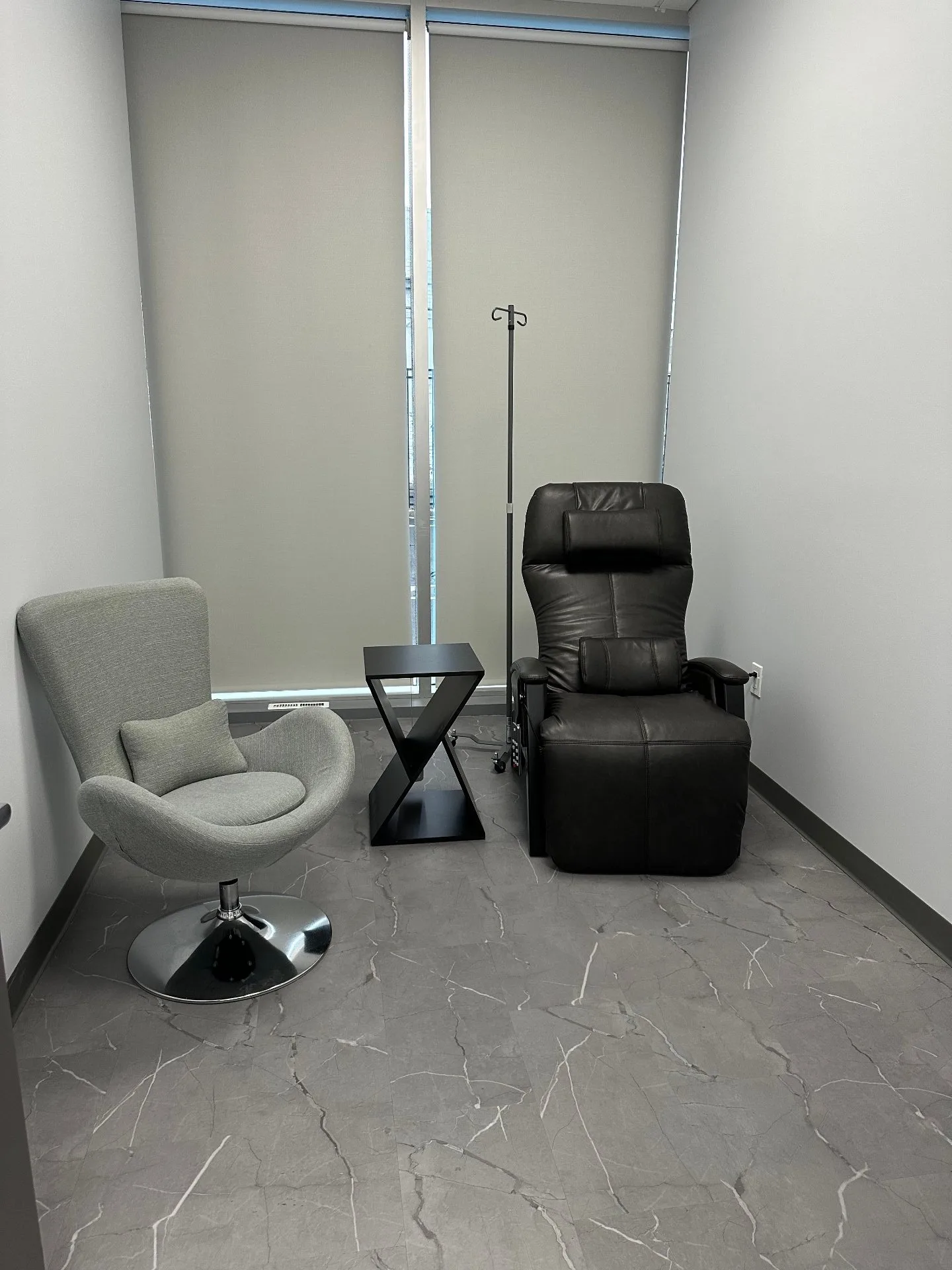
The active phase of treatment involves in-office sessions in a quiet, monitored environment. For IV ketamine, you will be placed in a comfortable reclining chair while a precise dose is administered by a medical professional. If you are receiving Spravato, you will self-administer the nasal spray under supervision. Throughout the entire process, your vital signs are monitored, and a staff member is always available to ensure you feel secure. The experience is often described as a dissociative state, where the “noise” of daily life recedes, allowing the brain a period of profound rest and reorganization.
The final and perhaps most important component is integration. While the ketamine works on a biological level to enhance neuroplasticity, the days following your treatment are a critical window for traditional therapy and lifestyle changes. We work closely with your existing psychiatrist or therapist to ensure that the “opening” created by the ketamine is used to build healthier habits and thought patterns. This holistic approach ensures that the physiological benefits of the medication are supported by emotional and behavioral growth, leading to more sustainable outcomes.
Our clinic is a short drive from Massapequa, with free on-site parking and full ADA accessibility. The map below centers on Massapequa — most patients reach us in well under thirty minutes.
Reaching our facility from Massapequa is straightforward, allowing you to focus on your treatment rather than a stressful drive. Most residents find that taking Sunrise Highway (Route 27) east is the most direct route, typically taking between 15 and 25 minutes depending on the time of day and traffic. For those who prefer public transit, the clinic is easily accessible from the Massapequa LIRR station, with a short rideshare trip required from the nearest stop. Upon arrival, you will find ample free parking in our private lot, and our building is fully ADA-accessible to accommodate all patients. We recommend arranging a ride home after your sessions, as you will not be permitted to drive for the remainder of the day following a ketamine treatment.
Yes, the clinic is conveniently located for those using the Long Island Rail Road. You can travel from the Massapequa or Massapequa Park stations, and our office is just a short distance from the transit hub, making it easy to integrate treatments into your schedule without needing a personal vehicle.
While life stressors like commuting don’t determine eligibility, they are often a contributing factor to the burnout and anxiety we treat. During your consultation, we discuss how these environmental pressures impact your mental health and how ketamine therapy can help build the resilience needed to manage a demanding Massapequa-based lifestyle.
While we encourage nature-based relaxation as part of your recovery, you should wait until the day after your treatment to engage in activities like hiking or long walks. Immediately following your session, you will need to rest at home and avoid any strenuous activity or decision-making while the effects of the medication fully wear off.
Spravato (esketamine nasal spray) is often covered by many insurance providers for treatment-resistant depression, though specific authorizations are required. IV ketamine infusions are typically an out-of-pocket expense, but we can provide you with the necessary documentation to seek “out-of-network” reimbursement from your insurance carrier if applicable.
While some patients notice a shift in their mood or clarity within 24 hours of their first or second session, a standard induction protocol usually involves six sessions over the course of two to three weeks. We monitor your progress closely after each visit to determine the optimal frequency for your specific biological response.
We maintain professional relationships with many mental health providers throughout the Town of Oyster Bay and Nassau County. If you are already seeing a therapist in Massapequa, we are happy to coordinate care with them to ensure your ketamine sessions are properly integrated into your existing treatment plan.
If you or a loved one are struggling with mental health challenges that haven’t responded to traditional care, there is another way forward. We invite you to reach out for a private discussion about your options and how our personalized treatment plans can fit into your life.
Whether you prefer an initial phone consultation, a telehealth appointment, or an in-person visit to our facility, our team is ready to provide the information and support you need. Take the first step toward reclaiming your quality of life and reconnecting with the community you

zen integrative care
